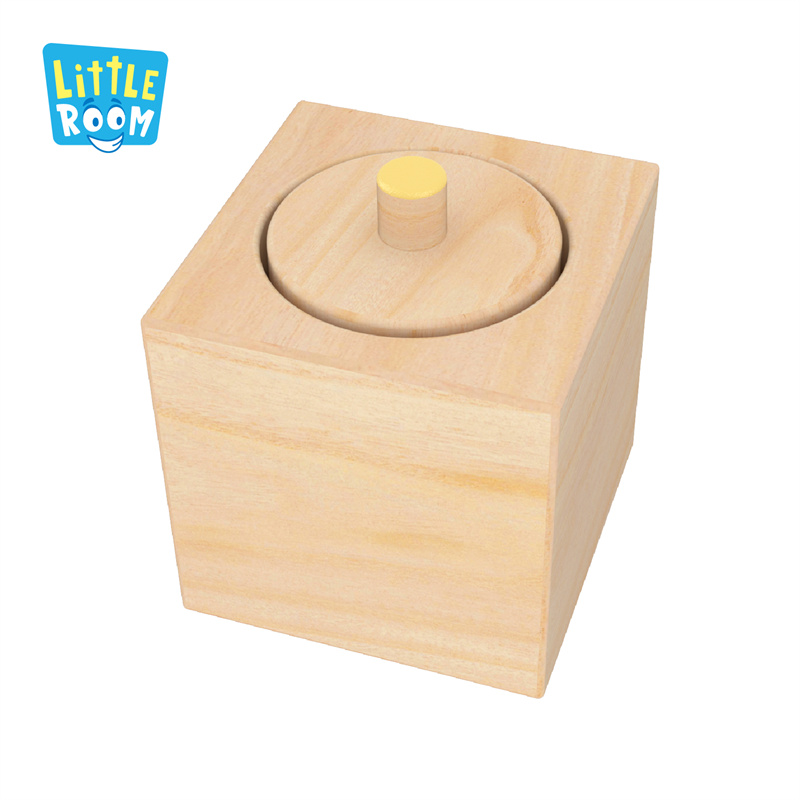
**Growing Demand for Wooden Toys in China Spurs Market Growth and Innovation**The Chinese wooden toy industry is experiencing notable growth, driven by rising consumer interest in sustainable and educational playthings for children. As awareness around environmental issues and child development increases, wooden toys are gaining popularity as a safe, durable, and eco-friendly alternative to plastic counterparts.### Rising Popularity of Wooden Toys in ChinaIn recent years, Chinese consumers have shown a growing preference for wooden toys over conventional plastic toys. The natural materials, tactile appeal, and perceived health benefits of wooden toys have positioned them as a favored choice among parents looking for quality and safety in children’s products. Furthermore, wooden toys often promote creativity and cognitive skills, features that appeal to parents who prioritize educational value.The demand boost is also linked with the surge of e-commerce platforms, which have made wooden toys more accessible to consumers across urban and rural areas. Online marketplaces allow customers to explore diverse designs and price ranges, catering to various budgets without compromising on quality.### Price Trends and Market DynamicsCurrent pricing trends for wooden toys in China reflect a balance between affordability and quality. Entry-level wooden toys are available at competitive price points—often starting from around 20 to 50 RMB for basic shapes and puzzles—making them accessible to a broad demographic. Mid-range wooden toys, which may feature more intricate craftsmanship or integration of other materials, typically range between 100 and 300 RMB.Premium wooden toys, which often highlight artisanal designs, eco-certified raw materials, and non-toxic paints, can fetch prices exceeding 500 RMB. These products frequently target niche audiences emphasizing sustainable consumption and safety.Manufacturers and retailers note that despite the higher production costs associated with natural wood, consumer willingness to invest in higher-priced wooden toys has increased due to the perceived added value. This trend inspires more companies to develop innovative wooden toy lines while ensuring environmental responsibility.### Industry Innovations and Product DevelopmentThe wooden toy sector in China is embracing innovation to meet evolving consumer expectations. Advances in design technology, such as computer-aided design (CAD), allow producers to create highly detailed and engaging toys that stimulate children’s imagination. Additionally, the integration of educational elements—including shapes, colors, and numbers—supports developmental learning objectives.Manufacturers are also increasingly committed to sustainable sourcing practices, using certified wood and environmentally friendly finishes. This not only enhances product safety but also aligns with global sustainability standards, enabling companies to tap into export markets.Besides traditional blocks and puzzles, new categories such as musical wooden toys, stacking games, and interactive learning sets have diversified market offerings. These products often combine tactile and auditory stimuli, providing multi-sensory engagement that benefits early childhood growth.### Market Challenges and Future OutlookDespite promising growth, the Chinese wooden toy industry faces challenges that include supply chain volatility, rising raw material costs, and competition from cheaper manufactured alternatives. To maintain momentum, companies must focus on quality assurance, consumer education, and active promotion of the benefits of wooden toys.Regulatory frameworks regarding child safety continue to evolve, prompting manufacturers to adhere to rigorous testing and certification processes. Compliance not only safeguards children but also boosts consumer confidence and brand reputation.Looking ahead, the wooden toy market in China is expected to sustain steady growth, fueled by increased parental spending power and greater emphasis on sustainable living. Collaborations between designers, educational experts, and manufacturers are anticipated to generate innovative products that combine tradition with modernity.### Company IntroductionAmidst these industry trends, a prominent Chinese wooden toy manufacturer and retailer has established itself as a leader by focusing on quality, innovation, and sustainability. The company’s extensive product portfolio ranges from simple wooden blocks to advanced educational sets that incorporate multiple learning dimensions.The company sources timber from certified forests and employs eco-friendly production techniques to minimize environmental impact. Their commitment to child safety is reflected in comprehensive testing protocols and the use of non-toxic paints and finishes.By leveraging e-commerce channels, the company reaches customers nationwide and internationally, adapting its offerings to suit diverse market needs. Educational institutions and parents alike commend the company’s products for their durability and developmental benefits.The firm continues to invest in research and development to expand its catalogue, embracing digital design tools and feedback from child development specialists. Through these efforts, it plays a pivotal role in shaping China’s wooden toy market, setting benchmarks for quality and sustainability.### ConclusionThe wooden toy segment in China represents a dynamic and growing market characterized by rising consumer interest, competitive pricing, and a commitment to sustainability. As families increasingly seek safe, educational, and eco-conscious options for children’s play, the wooden toy industry is positioned for long-term growth and innovation. With manufacturers blending traditional craftsmanship with modern design and production techniques, wooden toys are set to remain a beloved choice for Chinese consumers now and in the future.
Read More