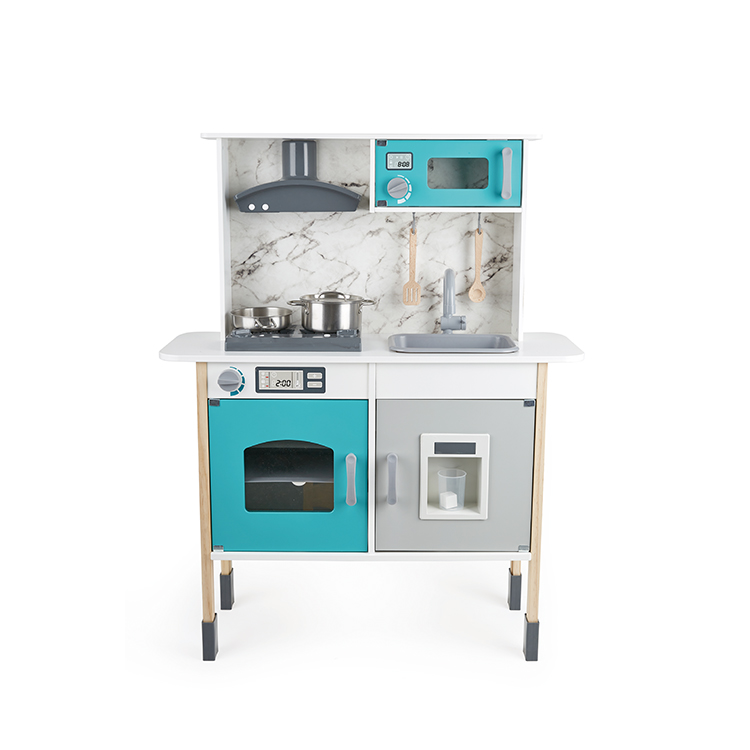
**China Toys and Baby Toy Prices See Notable Trends Amid Market Dynamics**In recent months, the Chinese market for toys and baby products has witnessed significant fluctuations in prices, influenced by a blend of supply chain adjustments, consumer demand shifts, and evolving economic conditions. This trend reflects broader changes in both domestic consumption patterns and global influences impacting the industry.**Market Overview and Price Movements**The toy sector in China, encompassing a wide range of products from educational toys to electronic gadgets designed for children, has experienced a noticeable rise in prices. Analysts attribute this increase to factors such as raw material cost hikes, increasing labor expenses, and logistic challenges stemming from international trade disruptions. These elements collectively put upward pressure on manufacturing costs, which are subsequently reflected in retail prices.Baby toys, a crucial segment within the broader toy industry, have similarly seen price adjustments. This category, often characterized by heightened safety and quality requirements, involves specialized materials and manufacturing processes. The demand for premium, safe, and innovative baby toys has grown, encouraging companies to invest more in product development and certification, which also contributes to cost increases.**Consumer Behavior and Market Demand**Despite higher prices, the demand for toys and baby products remains robust. Chinese consumers are increasingly prioritizing quality and educational value in their purchases, a trend driven by heightened awareness about child development and safety standards. The rise of e-commerce platforms has made a wider range of products accessible to consumers across different regions, supporting sustained sales volumes even as prices adjust.Moreover, demographic changes and urbanization have influenced purchasing power and consumption patterns. Younger parents in urban centers tend to spend more on premium toys that offer developmental benefits and interactive features, further shaping market demand.**Industry Challenges and Adaptations**The toy manufacturing sector faces ongoing challenges related to supply chain reliability. Fluctuations in availability and costs of raw materials such as plastics and electronic components have led companies to explore alternative sourcing strategies and invest in supply chain resilience. Many manufacturers are also adopting advanced technologies to optimize production efficiency and reduce waste, which helps mitigate some cost pressures.Regulatory frameworks have tightened, especially regarding safety standards for baby toys. Compliance with these regulations requires additional testing and quality assurance measures, which can raise production costs but ultimately ensure higher consumer confidence.**Outlook for the Industry**Looking ahead, industry experts predict that toy and baby toy prices in China will stabilize as supply chains adjust and production efficiencies improve. However, continued innovation in product design, enhanced safety features, and environmentally sustainable materials are expected to keep prices at a premium level compared to previous years.Companies focusing on creating value through differentiation—such as integrating educational content, digital interactivity, and eco-friendly components—are likely to capture greater market share. Additionally, expanding export opportunities remains a priority, with manufacturers aiming to balance domestic demand with growing global markets.**Company Introduction**[The company], a leading player in China's toy and baby product industry, exemplifies the sector's dynamic response to market changes. Established with a commitment to innovation and quality, the company has developed a diverse portfolio of toys that emphasize safety, educational value, and creative play.Leveraging advanced manufacturing techniques and stringent quality control systems, [the company] ensures its products meet both national and international safety standards. The company’s strategic investment in research and development has resulted in a series of award-winning toys that resonate well with modern consumers.In addition to a strong domestic presence, [the company] actively pursues global market opportunities, adapting products to meet various cultural preferences and regulatory requirements. Its sustainability initiatives, including the use of biodegradable materials and eco-friendly packaging, reflect a forward-thinking approach aligned with global environmental concerns.As market conditions evolve, [the company] continues to innovate and adapt, maintaining its position as a trusted brand among parents and children alike. By focusing on quality, safety, and customer satisfaction, the company is well-positioned to navigate the complexities of the toy and baby product industry in China and beyond.---The recent price trends in China's toys and baby toys sector highlight the interconnected nature of global supply chains, consumer expectations, and regulatory landscapes. While costs have risen, the industry’s emphasis on quality and innovation provides a strong foundation for sustainable growth, supported by companies dedicated to meeting the evolving needs of families.
Read More